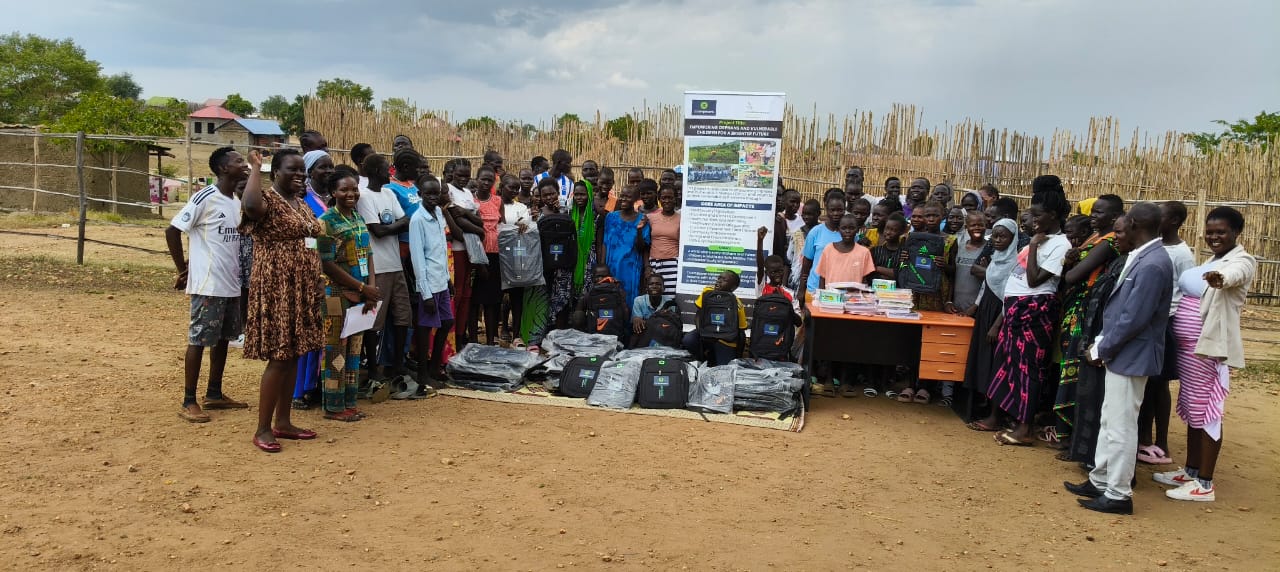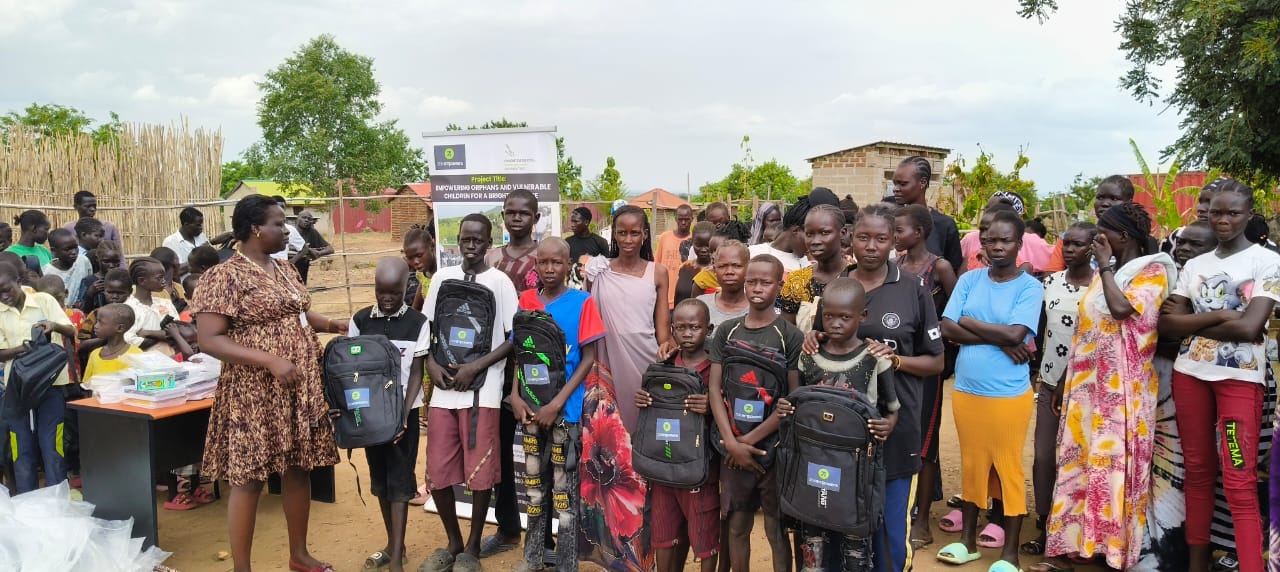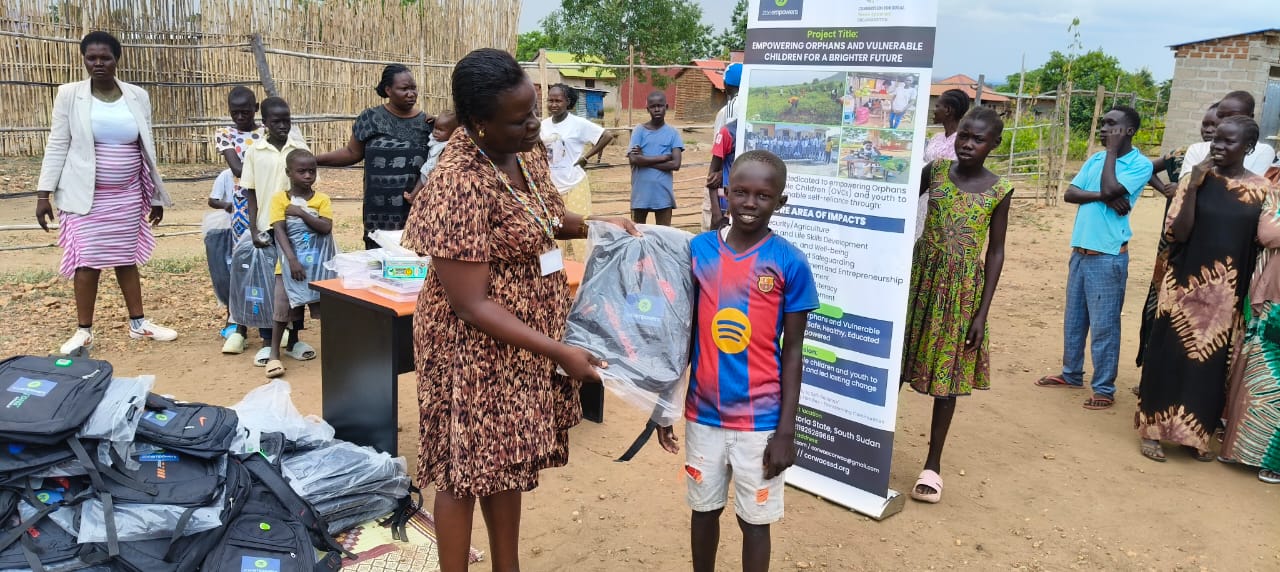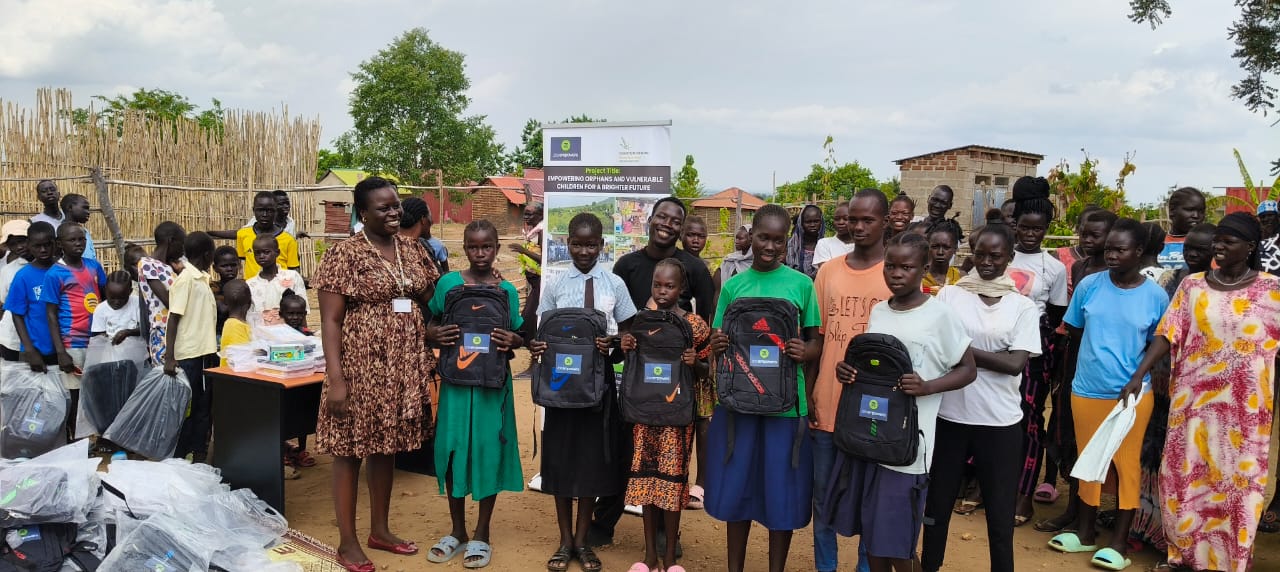

BACKGROUND OF ZOE EMPOWER
Zoe Empower began in 2004, as a response to the HIV/AID pandemic in Zimbabwe, initially; there work consisted of feeding programs, medical services and other relief activities for vulnerable children through schools and churches. in 2007 Zoe was introduced to a radically new way of empowering orphaned kids and youth – led families to become self-sufficient. This approach was designed by Epiphanie Mujawimana with a group of Rwandan social workers responding to the 800,000 orphaned children created over 100 days during the 1994 Genocide.
Ephiphane and her colleagues had grown frustrated with the endless cycles of relief and dependency upon that financial support. instead of asking “what can we do to serve children?” Ephiphane and her team asked, “what would these young people need in order to help themselves?” And with that question in mind, they designed a three-year, community based, indigenous led empowerment program, where the participants take the lead in their own journey out of poverty and provide their basic needs themselves, and it worked beyond relief.
Seeing the effectiveness of Ephiphanes program, Zoe transitioned out of relief work and supported Ephiphane in bringing this approach to Kenya in addition to Rwanda and then Zimbabwe. Since 2007, Zoe Empower has translated the empowerment model across cultures and contexts, impacting over 246,300 + vulnerable children, across 11 countries: Kenya, Rwanda, Zimbabwe, Malawi, Liberia, Tanzania, Mozambique, India, South Sudan, Uganda and Zambia. Each program within the Zoe network is locally owned and operated, with support from a nimble U.S.- bas team.
ZOE EMPOWER PROGRAM
The Zoe empower program is a three-year empowerment program-not a relief project that is designed for orphaned children and vulnerable youths living in extreme poverty, with youth led households as the primary recipients. Using a community – based, hostlic model. But can be extended based on proper project management the program is designed to last in south Sudan from 2026-2035 with possibility of extension.
Zoe is a movement equipping the most vulnerable youth with the knowledge and resources, and community support needed to rise out of extreme poverty and thrive.
WHOM DOES ZOE SERVE
Orphaned youth and children: those who have lost one or both parents and are now caring for their younger siblings without an adult present who is able to help.
Youth with elderly care givers: youth and children living with an elderly caregiver who is unable to provide adequate food, shelter, education, and other needs.
At- risk youth and children: Non orphans who face unsafe situations such as trafficking, child marriage, prostitution/ exploitation, or begging on the streets.
Program
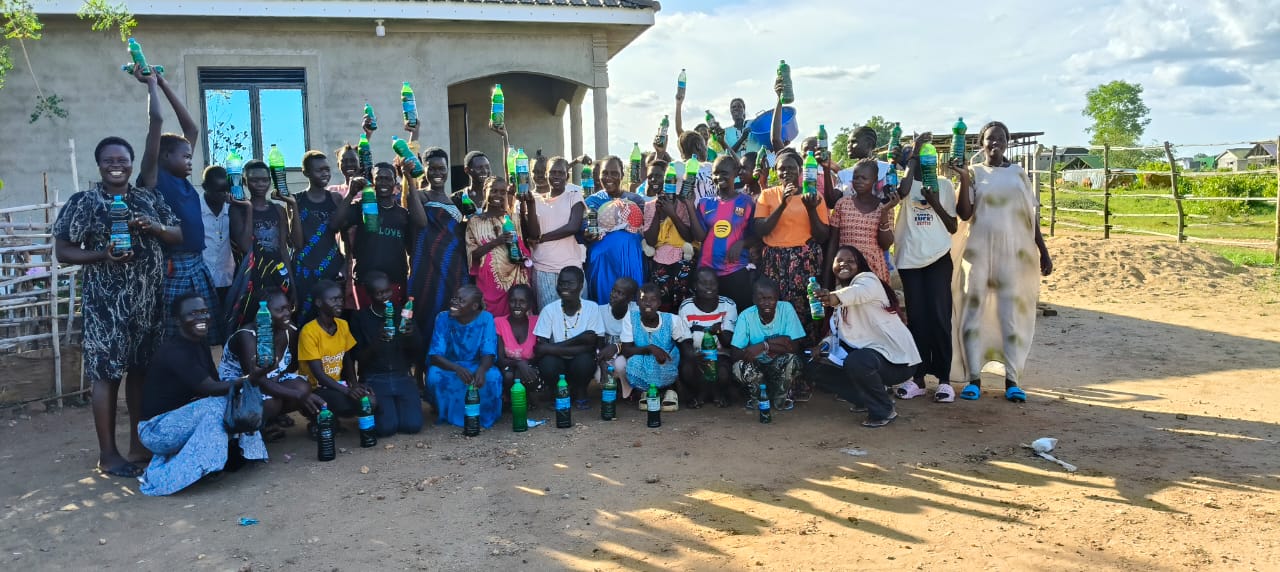
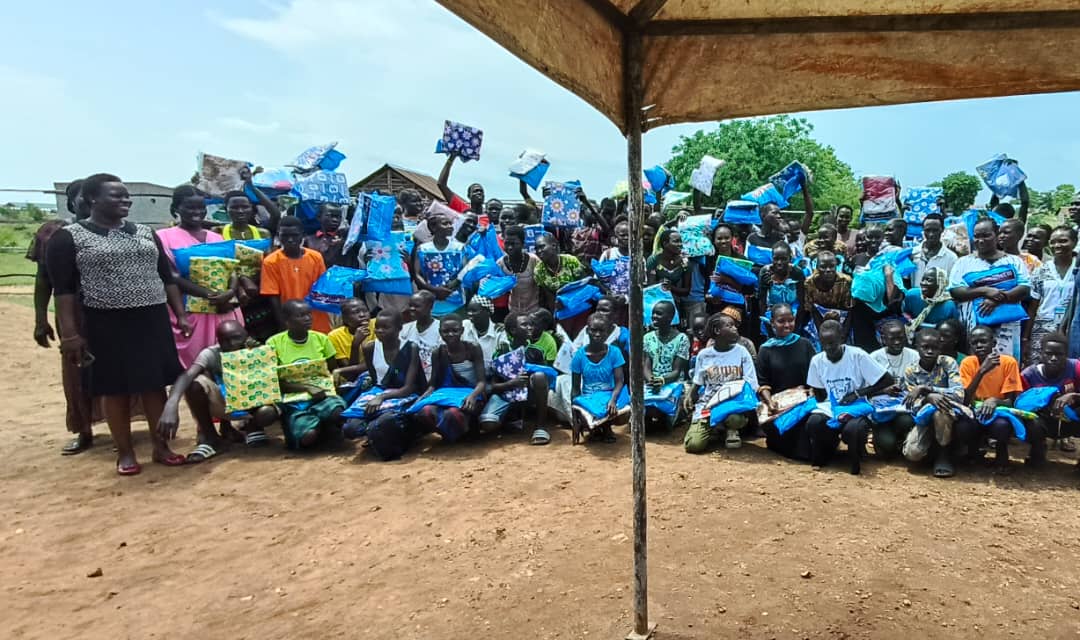
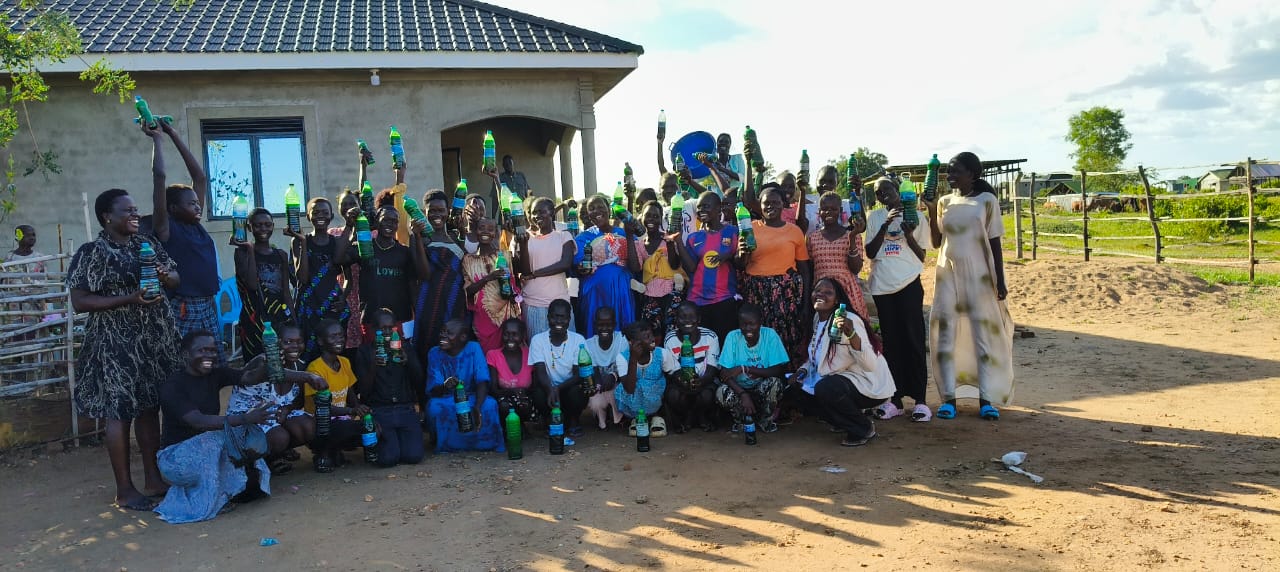
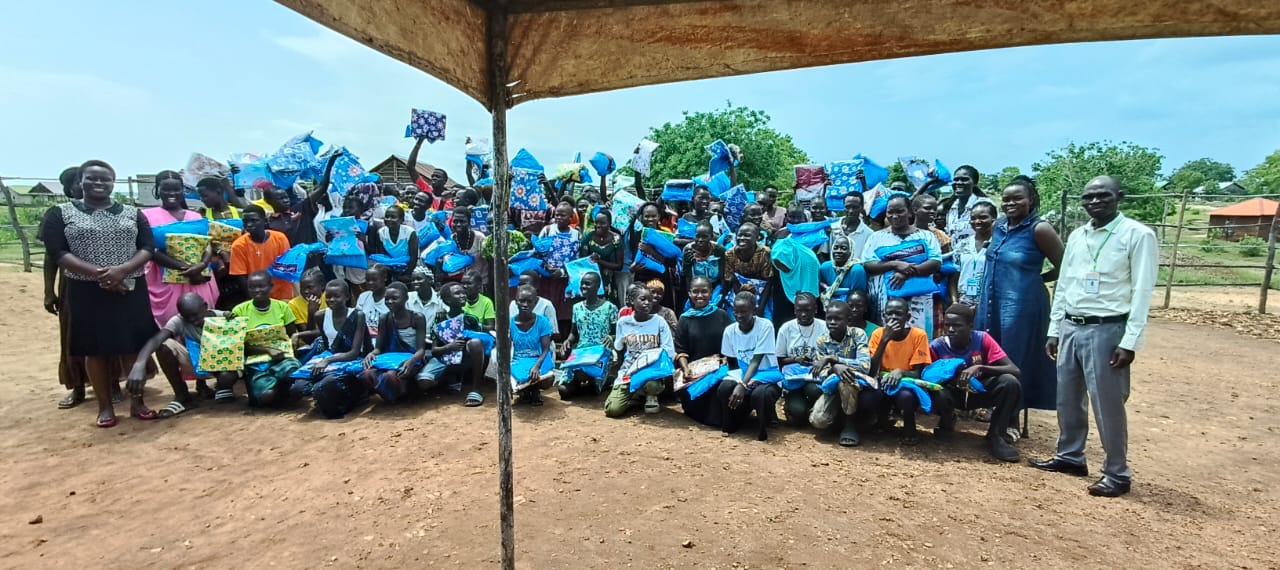
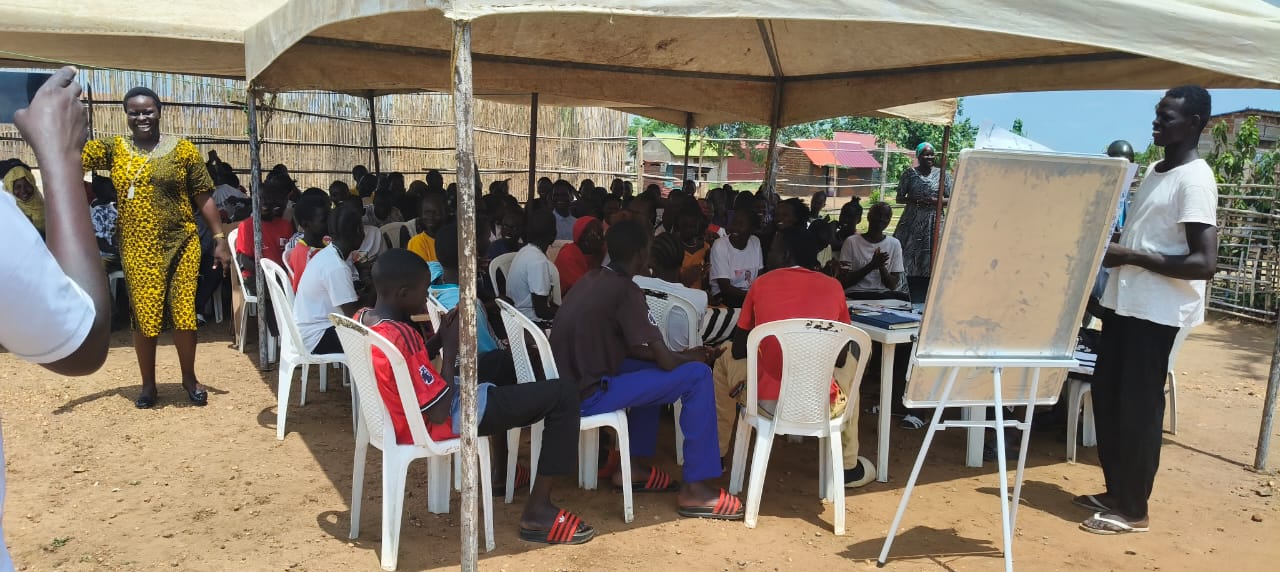
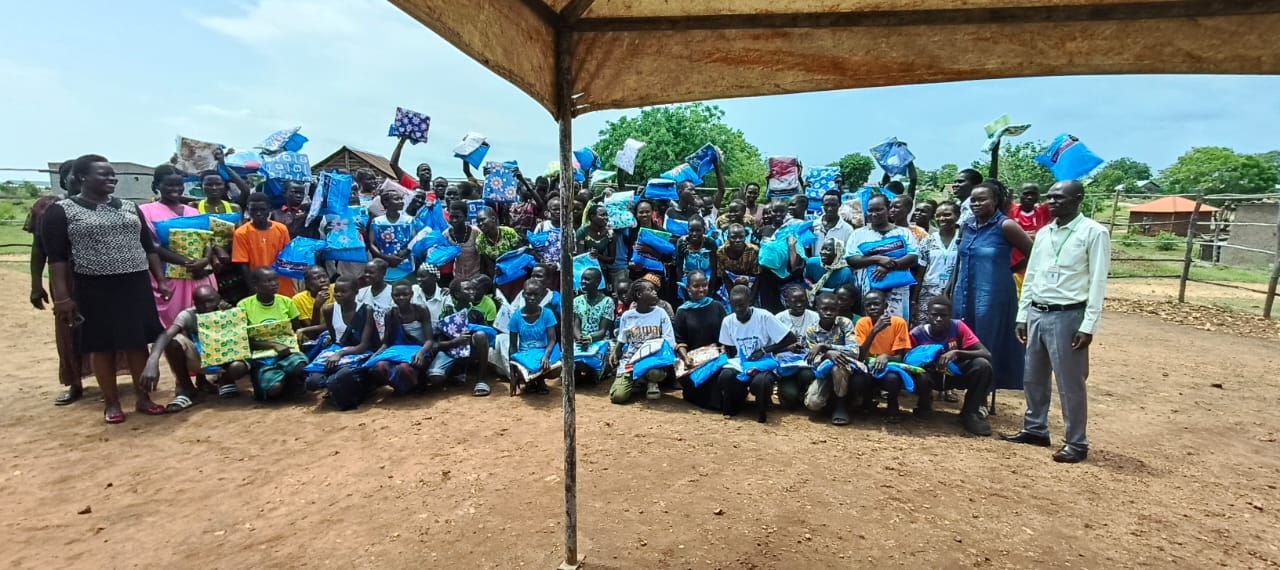
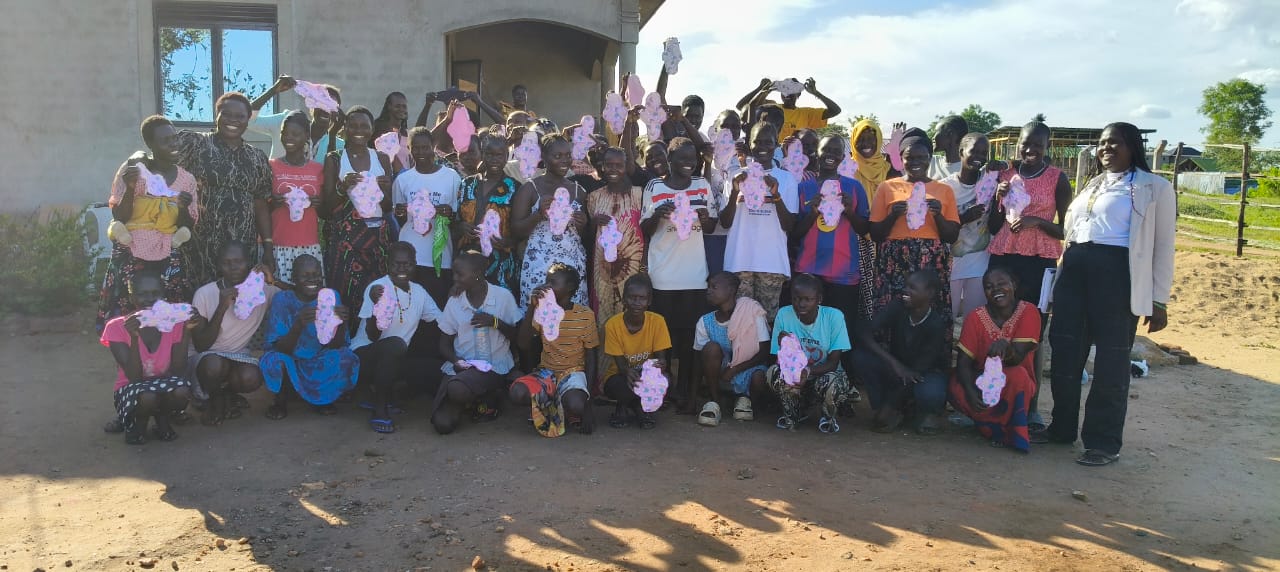
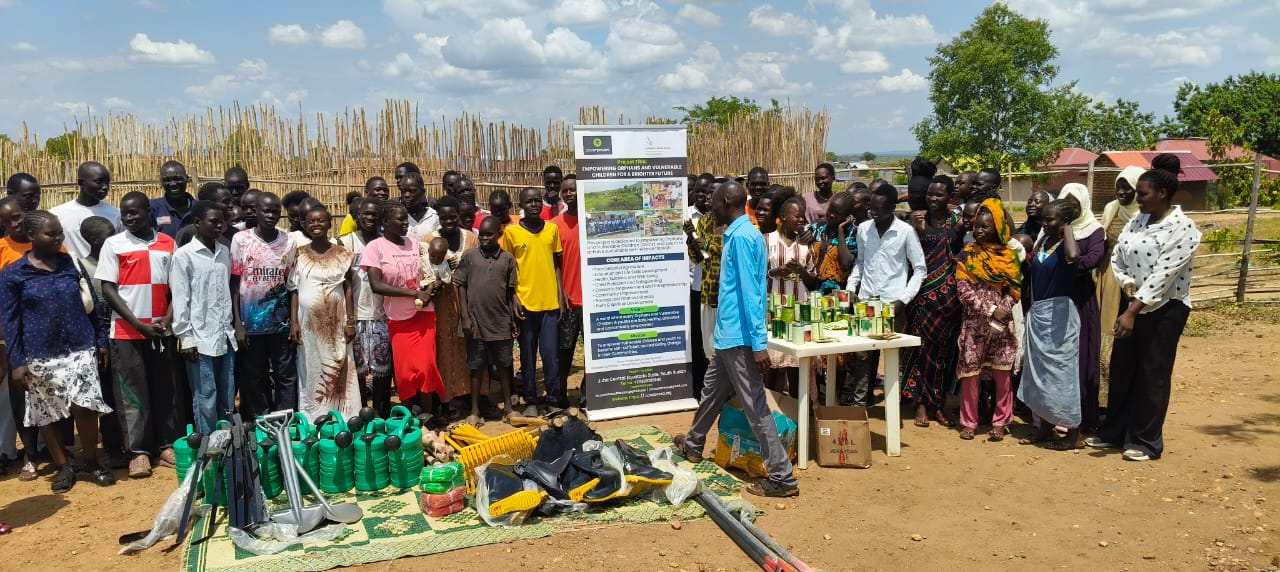
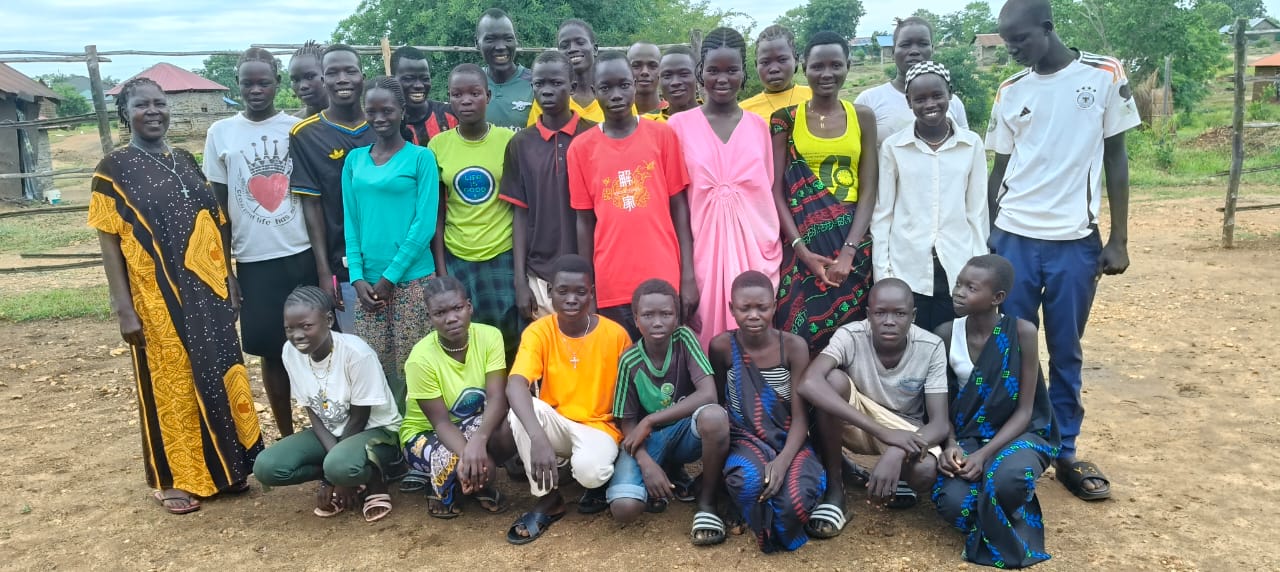
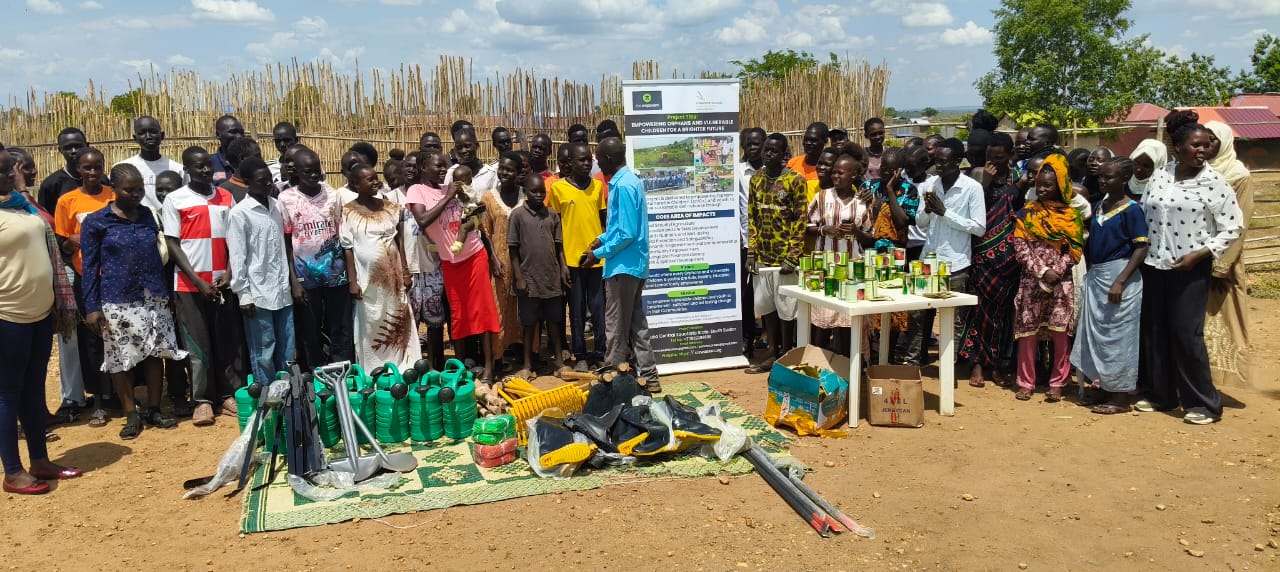
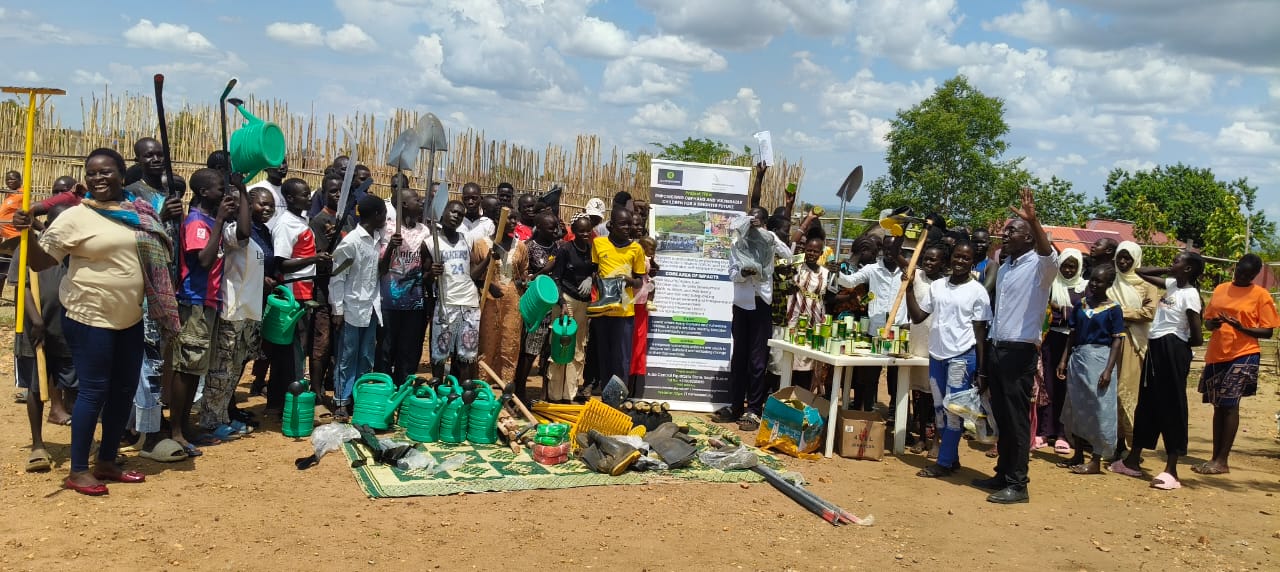
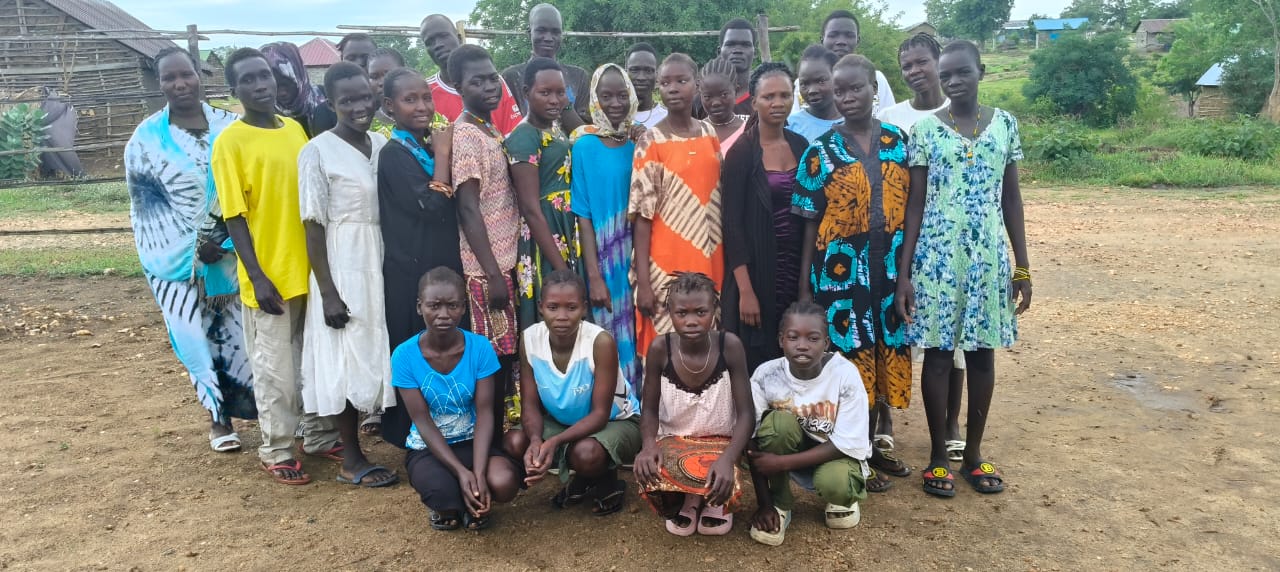
Zoe provides an opportunity for orphaned children and vulnerable youths to become self-sufficient through a three year, locally led program. Vulnerable youth are organized into groups of 60-100 and receive micro grants, life skills, and vocational training to become secure, healthy and connected community members
Youth become safe and healthy: health and safety are a primary focus that includes food security, hygiene, hygiene, and child rights initiative.
Youth are skilled for long term success: sustainable, generations change is emphasized through education, vocational training, business development and financial fluency.
Youth are wrapped in layers of community: social and spiritual concerns are addressed through community reintegration, family reunification when appropriate, and spiritual strengthening:
1. Secure food and housing
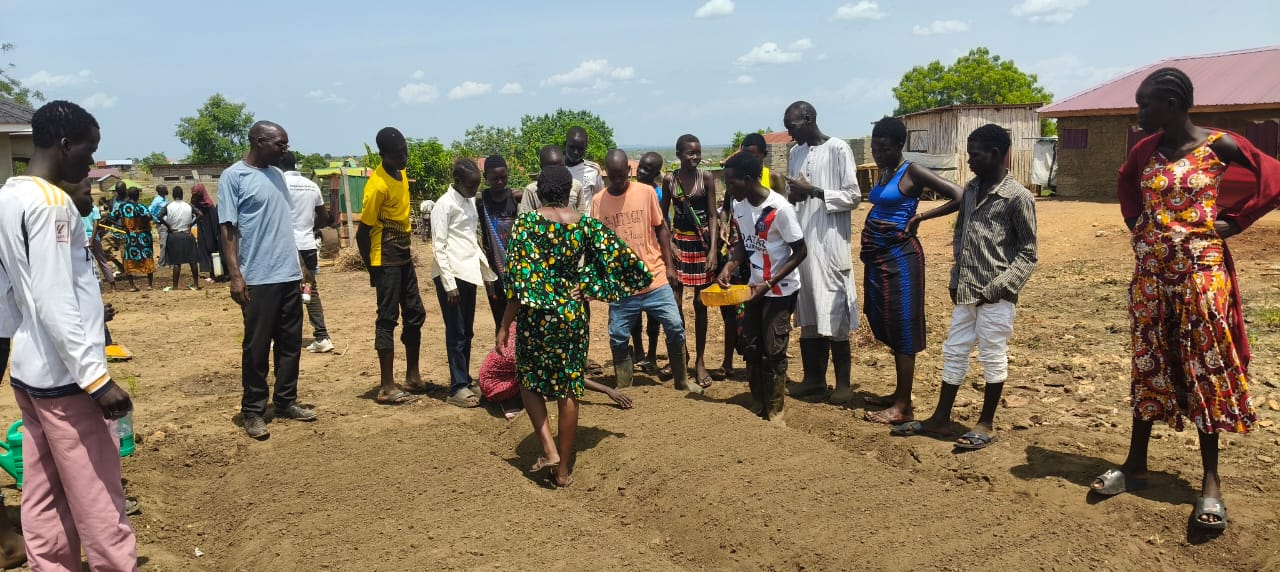
Youth are immediately taught about nutrition, safe food storage, agriculture and animal husbandry. Within twelve months, they’re growing and buying food, plus selling or sharing surplus. participants living on the streets or in dilapidated homes receive assistance in acquiring secure housing with business profits and small grants to repair, rent, or purchase land and building materials.
2. Hygiene and health care
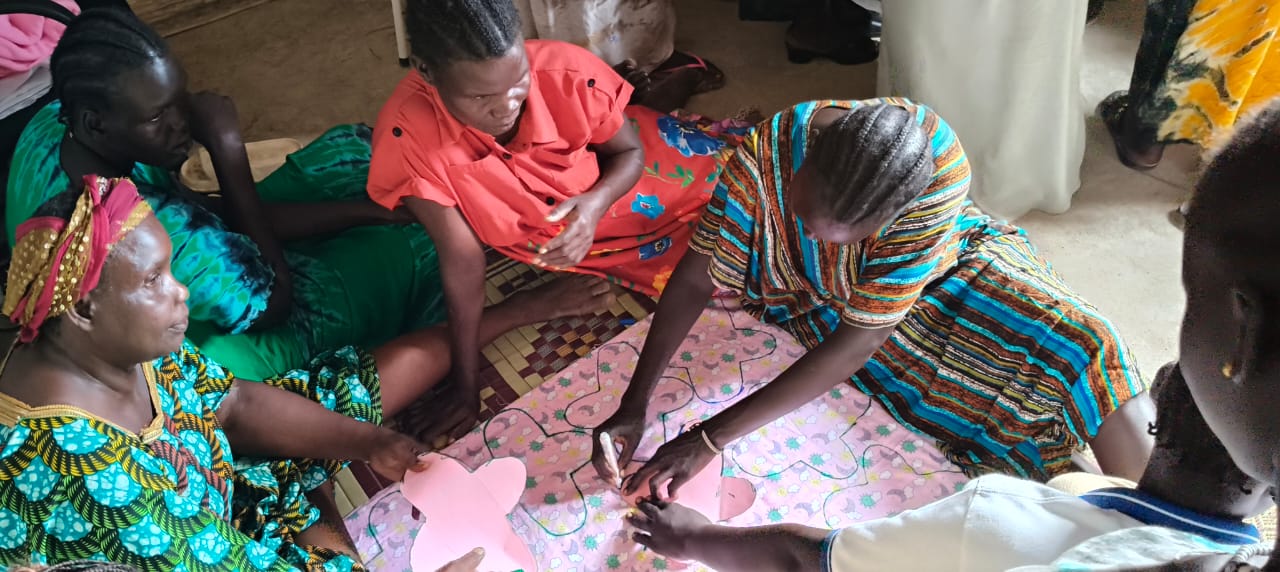
Youth learn hygiene and disease prevention, such as hand washing, mosquito net installation, and latrine construction. Many children enter the program suffering from illnesses, so Zoe staff facilitate access to medical care.
3. Child rights
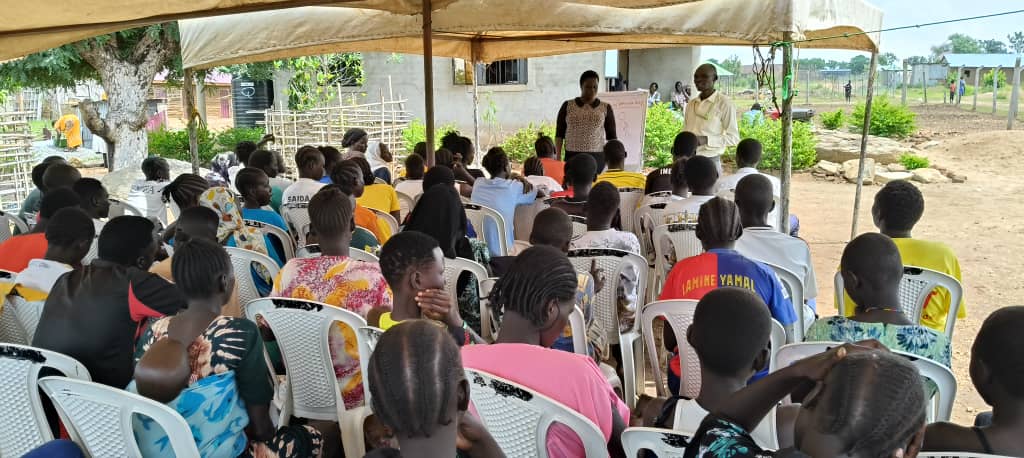
Youth are trained in human rights and gender equality, up until this point, many participants are unaware they have rights and lack the resources to enforce them. With support from Zoe empowers and their peers, they become advocates for themselves, and in some cases receive assistance to seek justice.
4. Access to Education
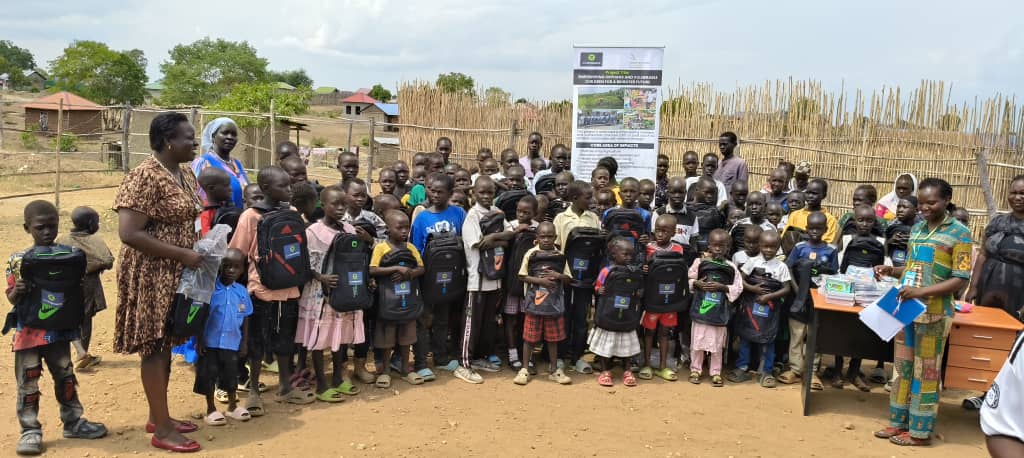
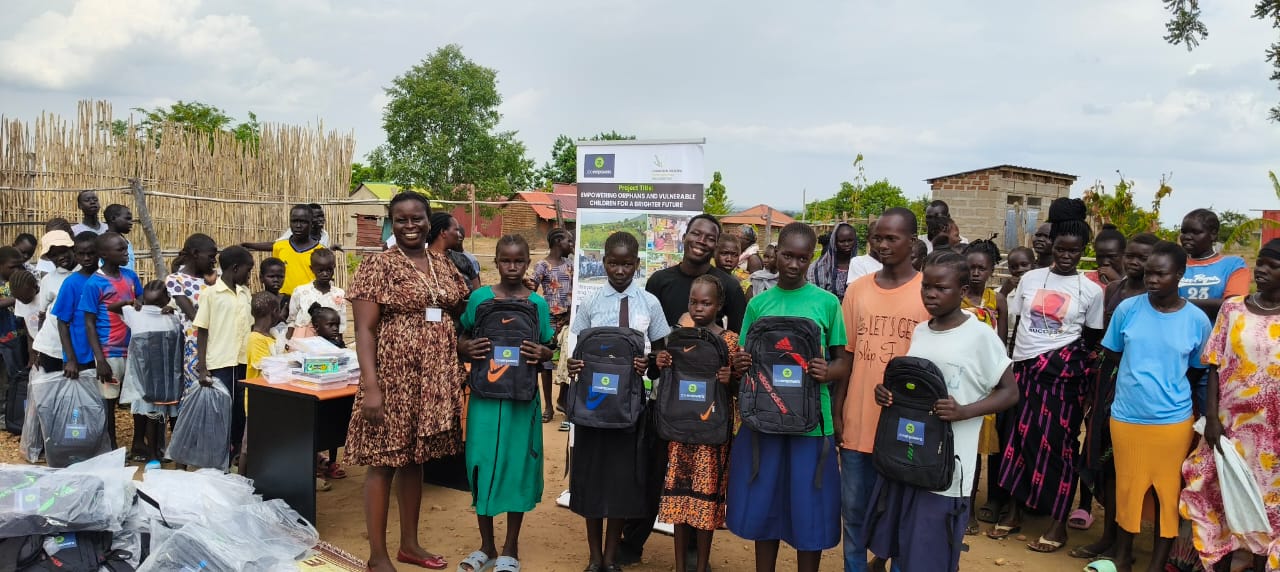
Youth are forced to drop out of school to find work when they become orphaned. in one year, Zoe Empower assists them to re-enroll in school. By year three, many of the program participants already have sufficient funds from their business profits to pay for their own, and their siblings school fees and supplies. Some even go to attend college and beyond.
5. Business skills and financial fluency
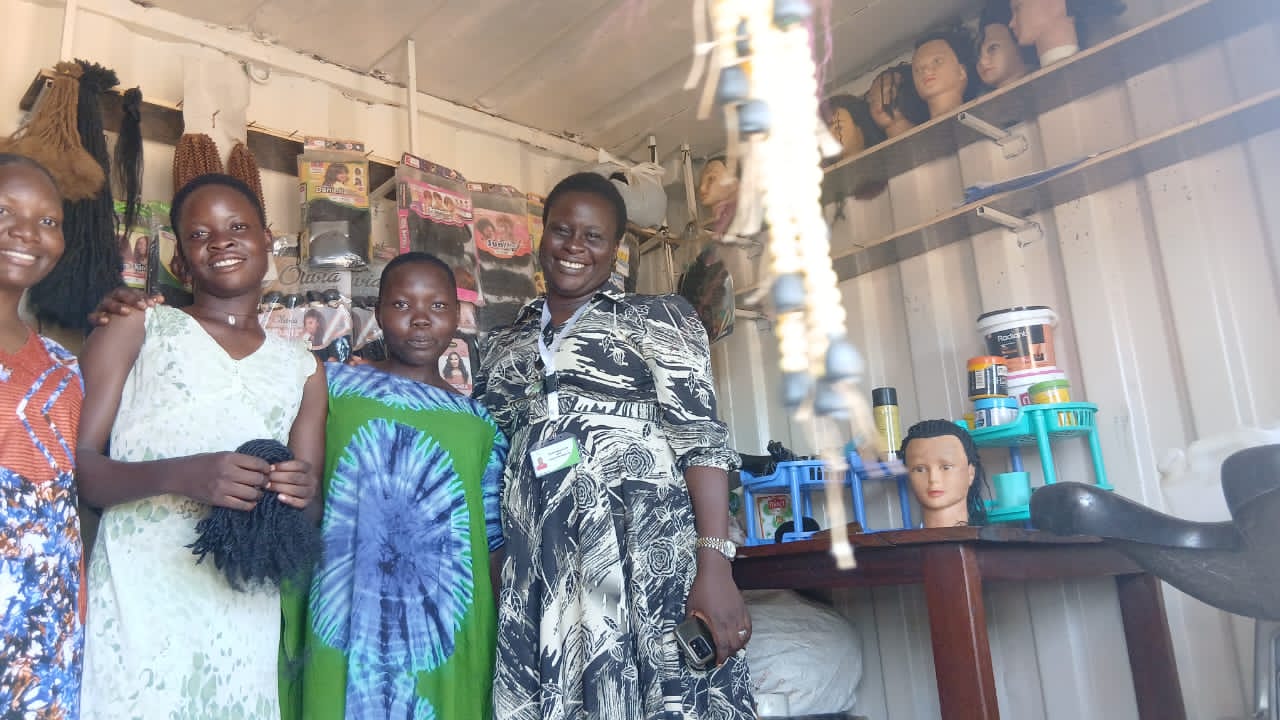
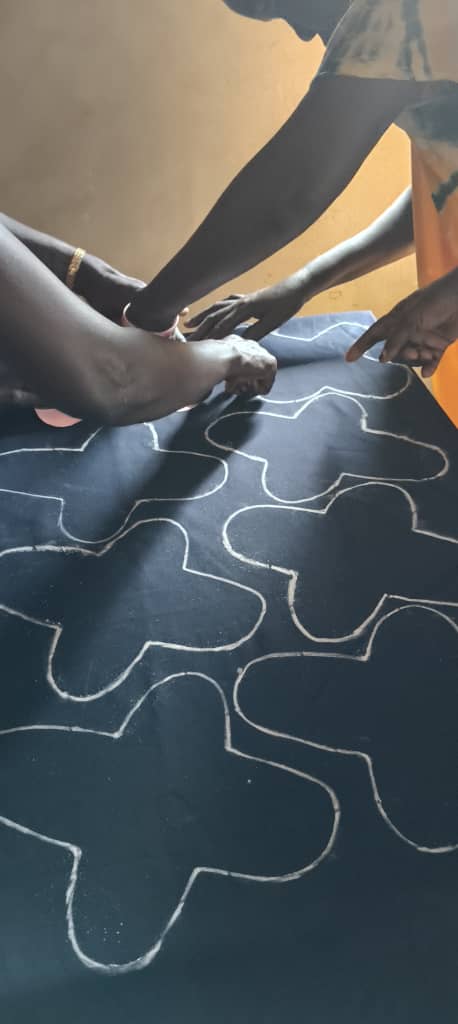
Youth receive a small grant at the beginning of the program in conjunction with business training. Children develop a business plan and are provided with guidance in executing their vision. Subsequent lessons are given on accounting, investing and how to leverage their funds for long-term success.
6. Vocational training
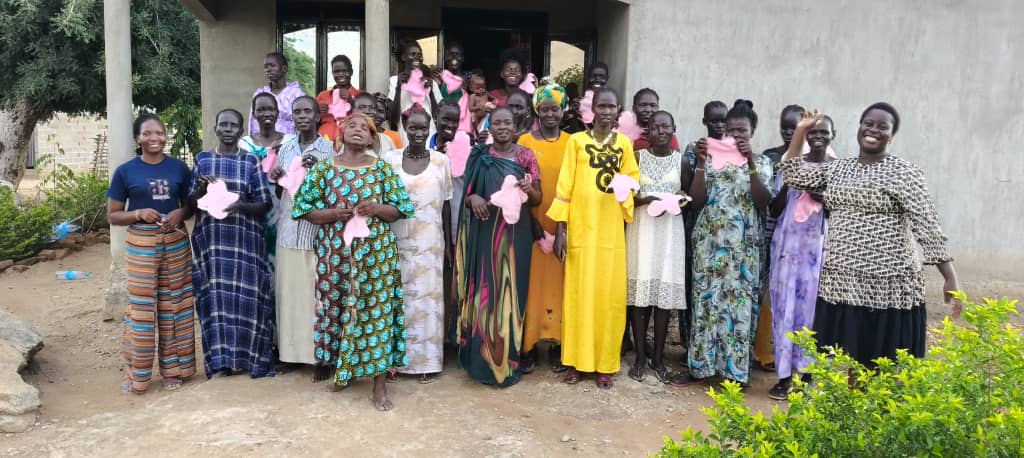
Youth are encouraged to pursue individualized training in their vocation of choice using resources from their group. Zoe graduates often become mentors in their community and employ other vulnerable youth, amplifying the ripple effect of empowerment.
7. Community reintegration
Youth experience a sense of comfort and belonging in their Zoe Empower peer groups, and their customers bear witness to their talents and transformation. As their businesses succeed, the children grow increasingly independent and confident. They move from beggars to employers and feel valued in their community.
8. Reunification with Agency
Youth often reunite with siblings and adult relatives with the agency of income and knowledge of how to enforce their human rights to avoid possible future abuse.
9. Spiritual strength
While Zoe Empower is a religiously nonrestrictive program, children experience the gospel in both action and words in ways that are always inviting but never coercive. Most of the participants find joy and meaning in collective prayers and feel confident attending worship.